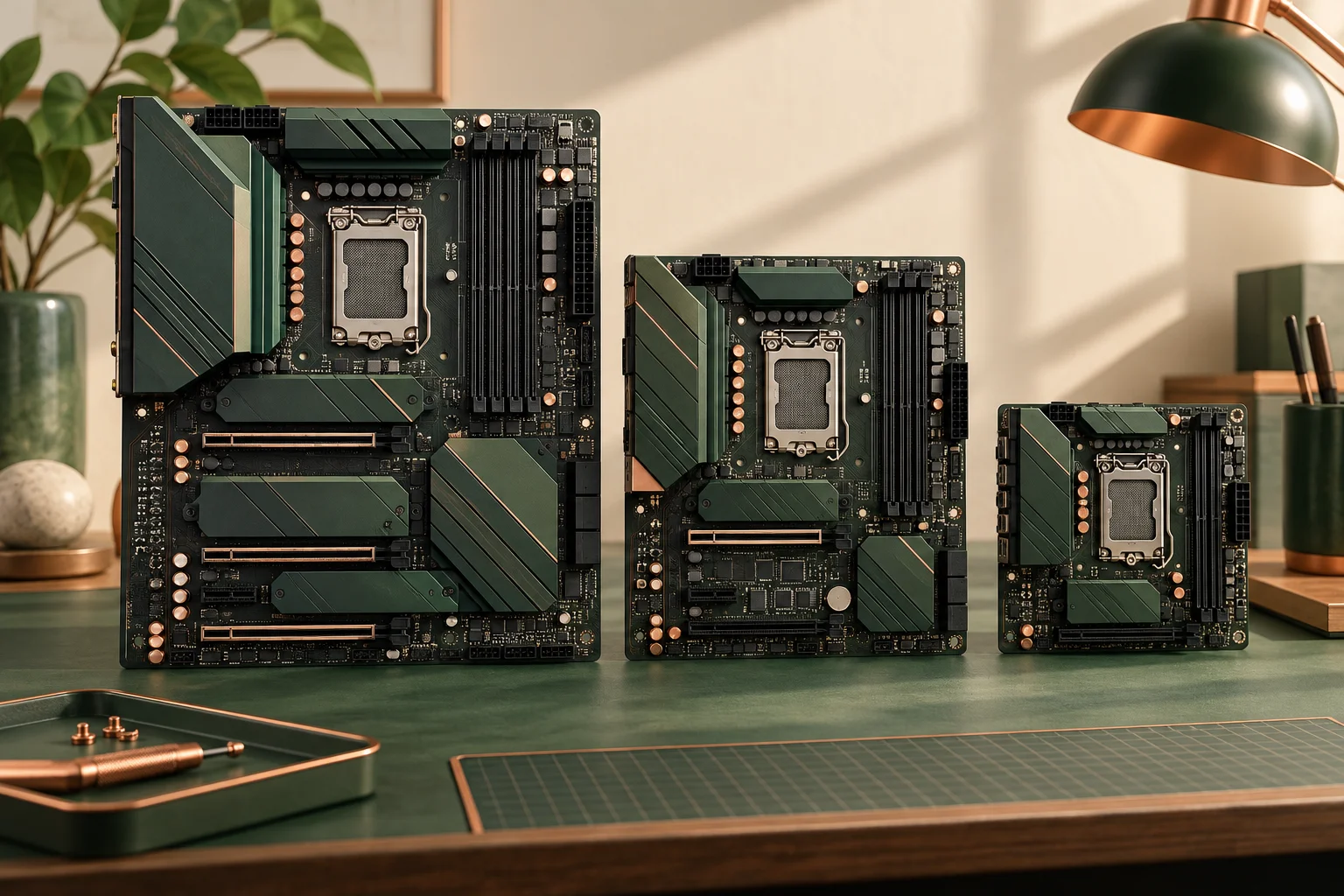
Desktop electricity allowance: compare measured-load scenarios honestly
Use measured wall power, hours and your own unit rate. Keep processor TDP, PSU output and hypothetical examples separate from an actual electricity bill.
Updated:

Use wall measurements and time, then apply your actual unit rate
To estimate a desktop’s variable electricity charge, multiply measured wall watts by hours in each operating state, divide by 1000 for kWh, then multiply by your actual electricity price per kWh. A PSU output rating or CPU TDP is not a substitute for a wall measurement. The site’s tool separates active and idle periods so a gaming session is not treated as the whole day.
Use a suitable manufacturer-approved measurement arrangement or an existing reliable measurement record; this is not instructions to alter mains wiring or open a PSU. Record exactly what the reading includes. A tower alone, tower plus monitor and an entire desk have different boundaries, so two figures cannot be compared fairly without the same equipment scope.
Two real processor labels show why component specifications are insufficient
AMD lists a default TDP of 65 W for Ryzen 5 7600 and 105 W for Ryzen 5 7600X. Those are thermal-design specifications for named processors, not measured electricity consumption of two complete PCs. Subtracting 65 from 105 does not establish a 40 W wall saving for your actual workload.
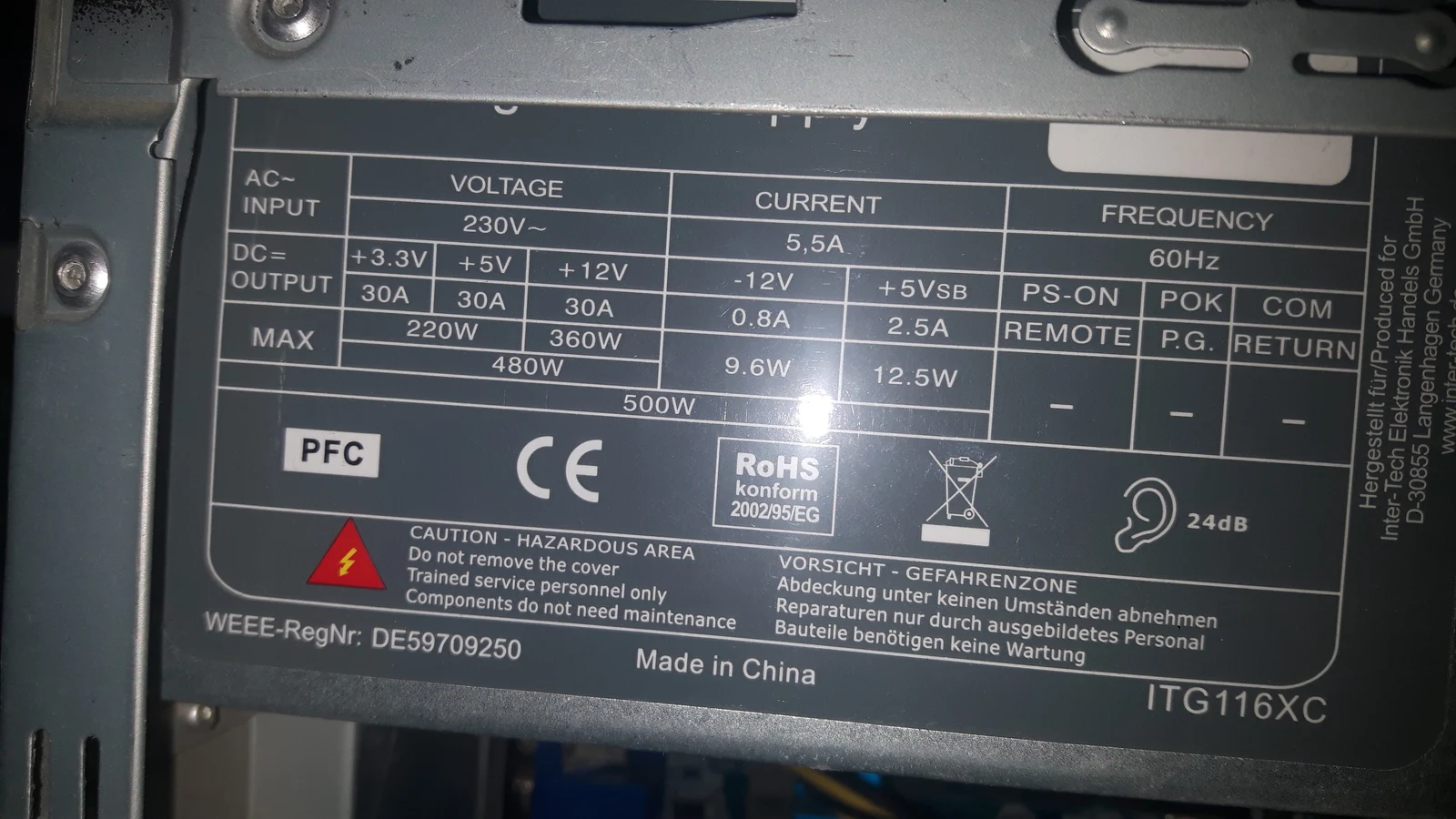
The PSU likewise supplies several components and has its own operating behaviour. A 750 W nominal output does not mean it continuously draws 750 W from the socket. The actual rating-label photograph shows AC input information and DC output ratings on a different 500 W supply, not a meter reading. Use comparable wall observations of the actual system states instead of summing unrelated maximum labels.
| Input or label | What it represents | Suitable direct bill input? |
|---|---|---|
| Ryzen 5 7600: 65 W default TDP | Processor thermal-design field | No |
| Ryzen 5 7600X: 105 W default TDP | Processor thermal-design field | No |
| PSU nominal output | Supply output rating | No |
| Documented wall reading for a stated setup | Power for that observed state and scope | Yes, with representative time and limits |
Follow one fully declared hypothetical example
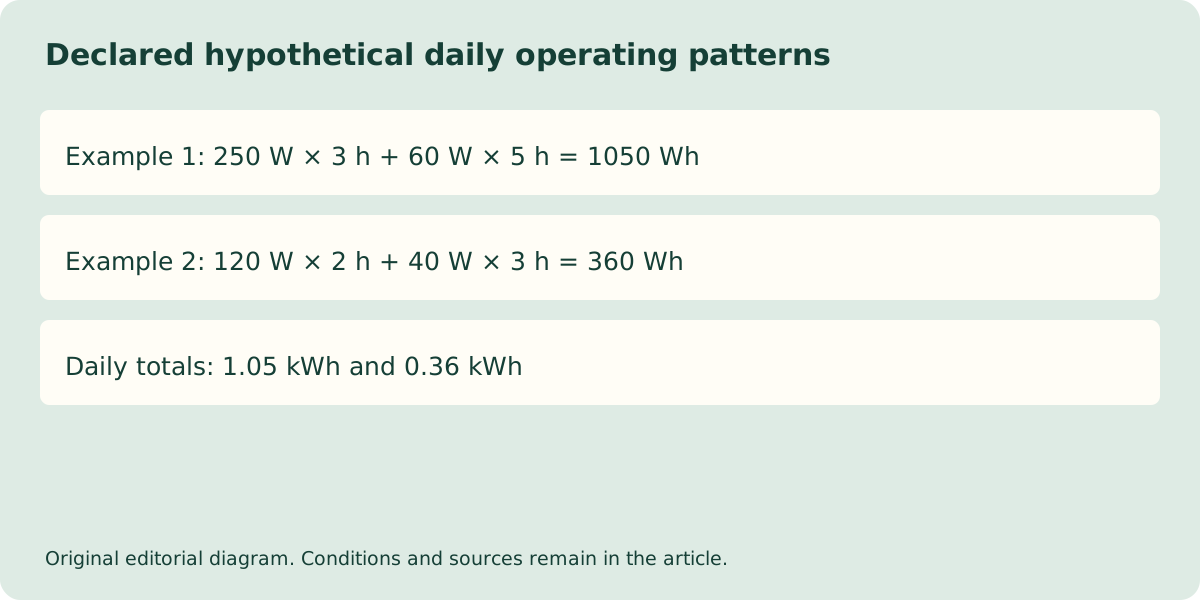
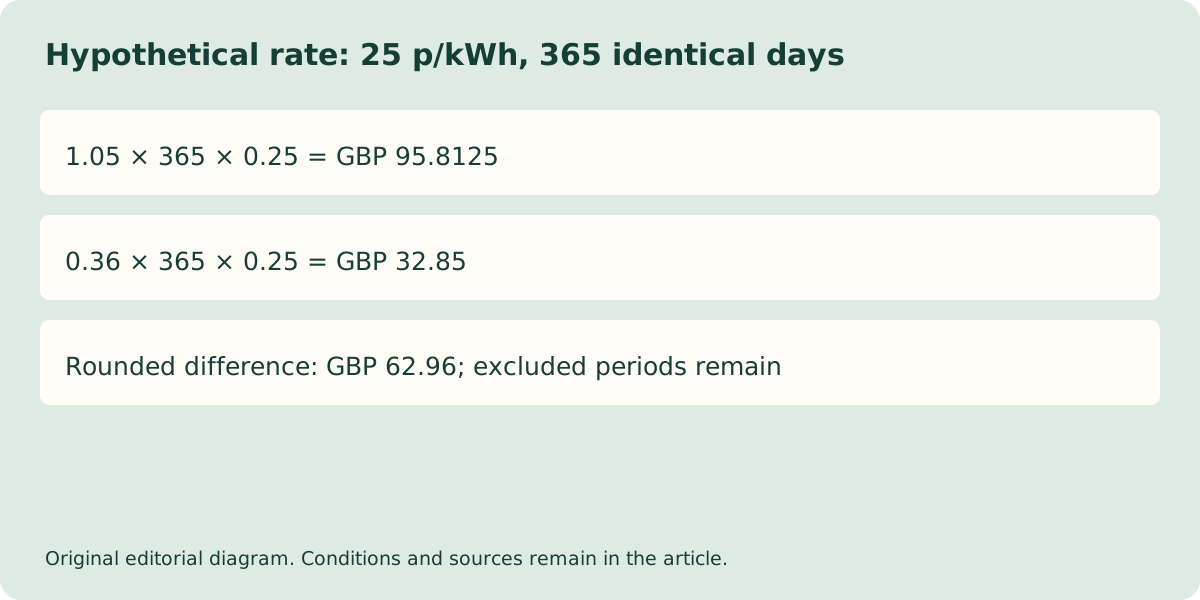
Suppose a hypothetical setup uses 250 W for three active hours and 60 W for five idle hours each day. The arithmetic is 250 × 3 + 60 × 5 = 1050 Wh, or 1.05 kWh per day. At a hypothetical 25 p/kWh, that is GBP 0.2625 per day and GBP 95.8125 for 365 identical days, displayed as GBP 95.81. These are invented example inputs, not a measured named PC or a current tariff claim.
A second hypothetical pattern of 120 W for two active hours and 40 W for three idle hours totals 360 Wh, or 0.36 kWh daily. At the same example rate and 365-day assumption it gives GBP 32.85. The difference is GBP 62.96 after rounding. It does not establish a saving between the named CPUs, because those example wall readings were not measurements of either processor system.
Keep the unmeasured hours and other equipment visible
The first example accounts for eight hours and the second for five. Remaining hours are excluded, not proven to draw zero power. Standby, sleep, shutdown behaviour, displays, external storage and networking can change a complete desk total. Add those only from suitable measurements and avoid counting the same device both inside and outside a whole-desk reading.
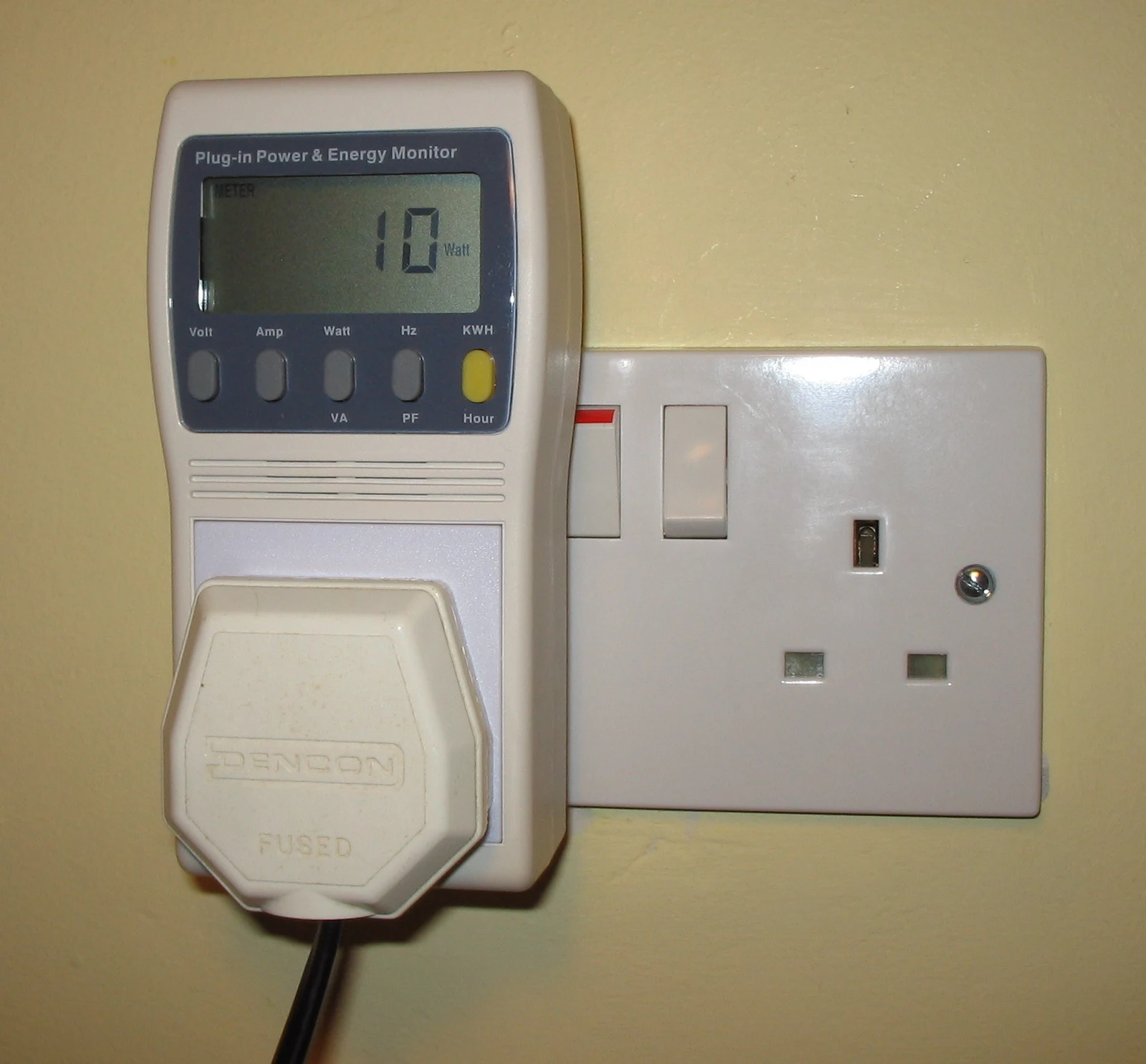
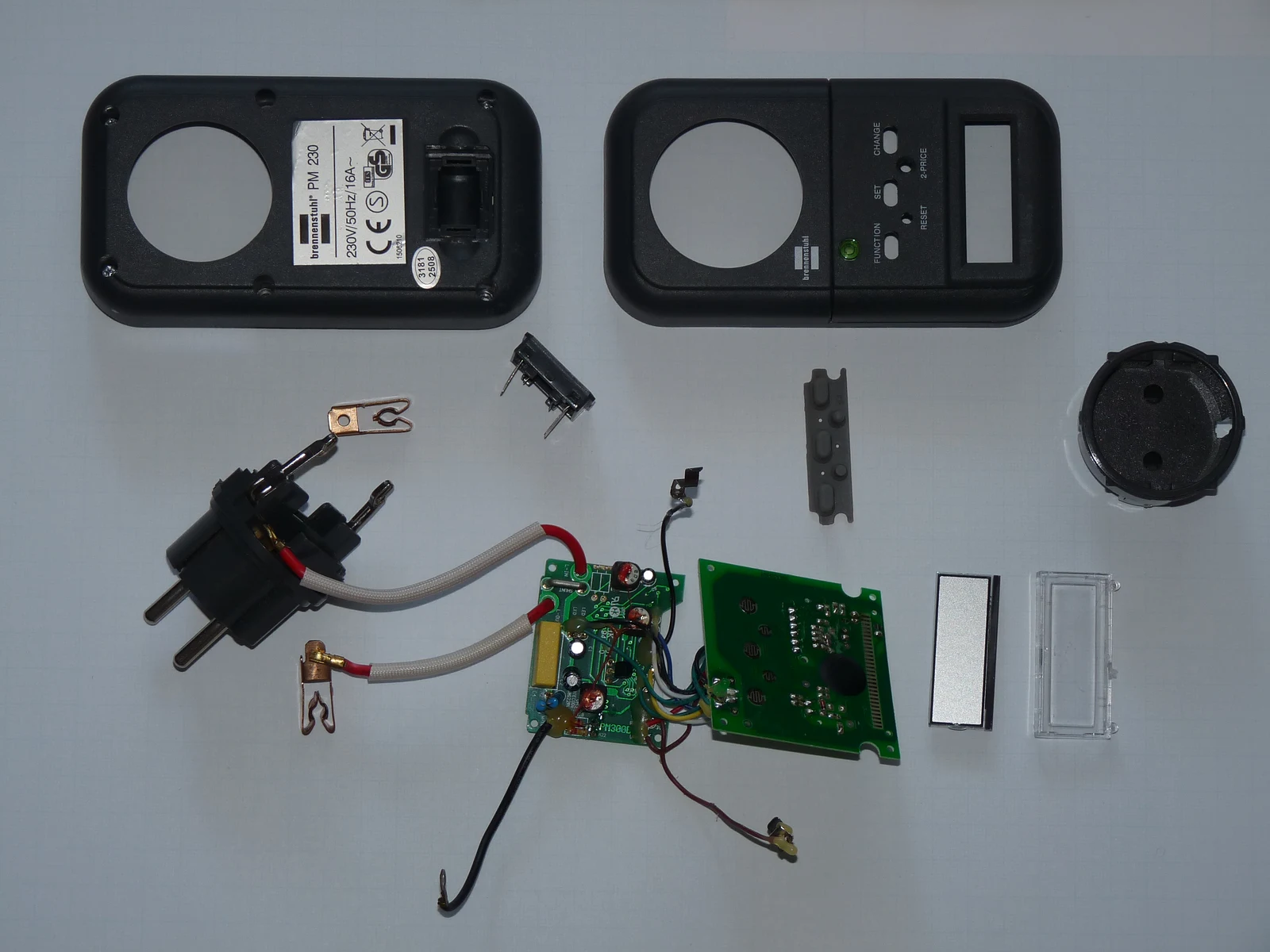
The independent Brennenstuhl meter photograph shows a measurement instrument rather than a PC power rating. It provides no observed consumption for either hypothetical example. Do not open or modify a mains instrument to take a reading; use a complete suitable instrument according to its instructions. A component change, driver update or different workload may invalidate an old observation, so retain the measurement date, state and included equipment.
Use the result as a transparent allowance, not a promised bill
The calculator requires non-negative finite inputs, a combined active-plus-idle time no greater than 24 hours, and your own rate in pence per kWh. It assumes the same daily pattern for 365 days and rounds the displayed annual amount. Editing an input clears the previous result so a stale total is not mistaken for a recalculation.
Standing charges and unrelated household use are outside this variable-charge comparison. Check your actual UK tariff and applicable billing conditions rather than using the example rate as a recommendation. The useful result is auditable arithmetic from a stated measurement boundary and time pattern, with unmeasured periods and changing usage left explicit.
Use the unit rate that includes VAT where your bill distinguishes it. If active and idle periods fall under different time-of-use rates, this single-rate tool cannot price both accurately in one run. Separate the measured periods and apply each applicable rate before adding their variable charges; the tool does not select a tariff or know your peak and off-peak times.