AM4 versus AM5: compare the supporting platform through two named Ryzen CPUs
Ryzen 5 5600X and 7600X show the socket, memory, graphics and boxed-cooling changes involved in a platform move. This is not a benchmark ranking.
Updated:
AM4 to AM5 changes the CPU and memory platform together
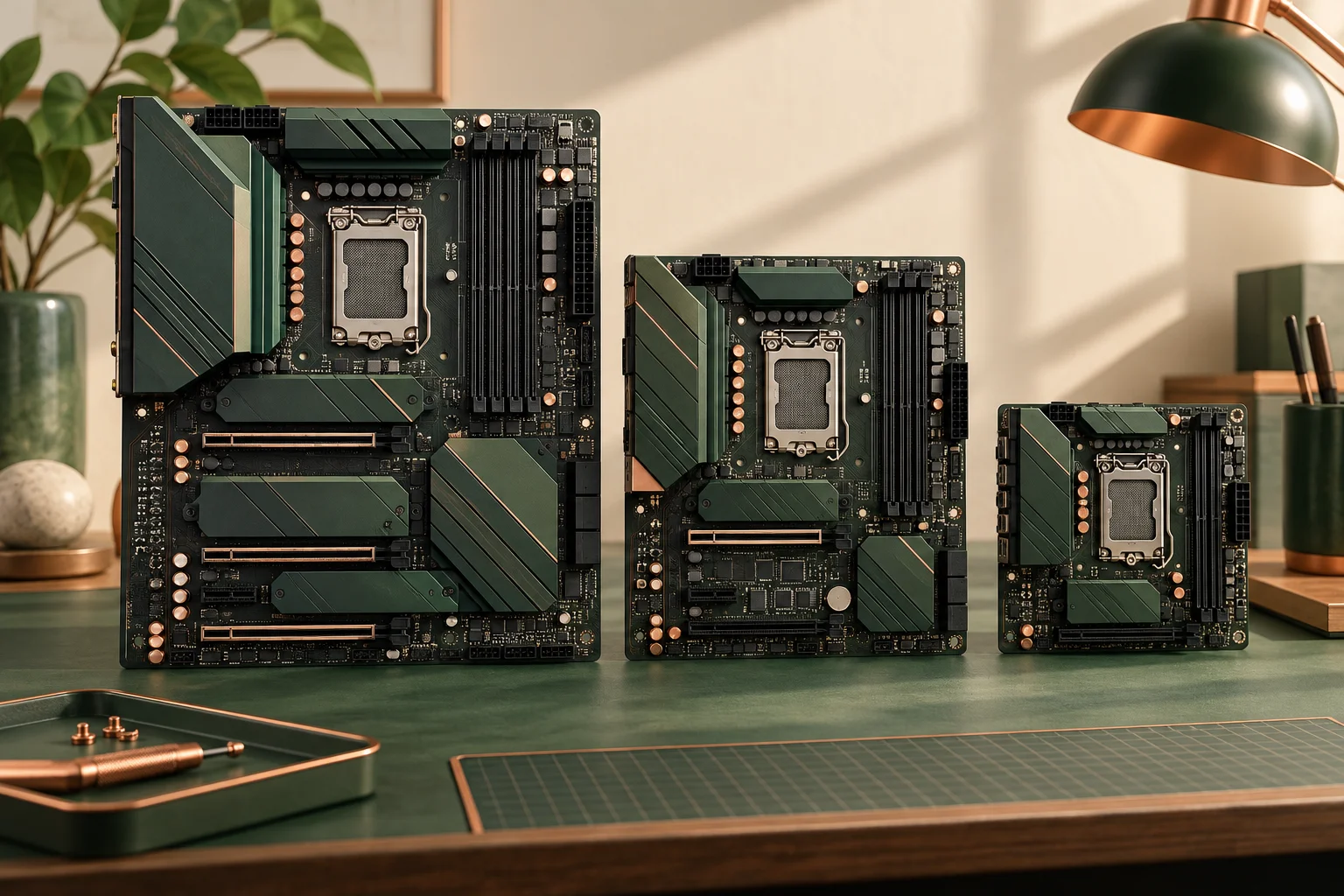
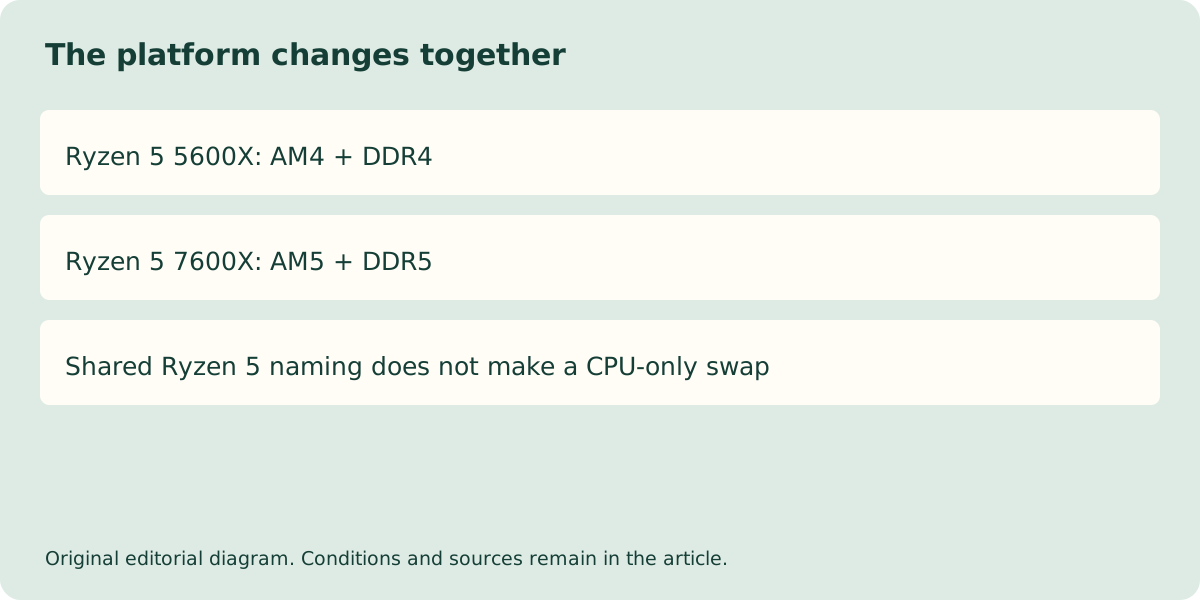
A move from Ryzen 5 5600X to Ryzen 5 7600X is not a processor-only swap on the same motherboard. AMD specifies AM4 and DDR4 for the 5600X, versus AM5 and DDR5 for the 7600X. The supporting board and memory generation must therefore be planned with the processor. A matching Ryzen 5 brand tier does not establish mechanical or electrical interchangeability.
This guide answers the platform question rather than claiming a measured gaming or value winner. Both named processors have six cores and twelve threads, but equal core counts do not establish equal workload performance. No independent benchmark or authorised current UK price feed has been verified for a performance-per-pound comparison.
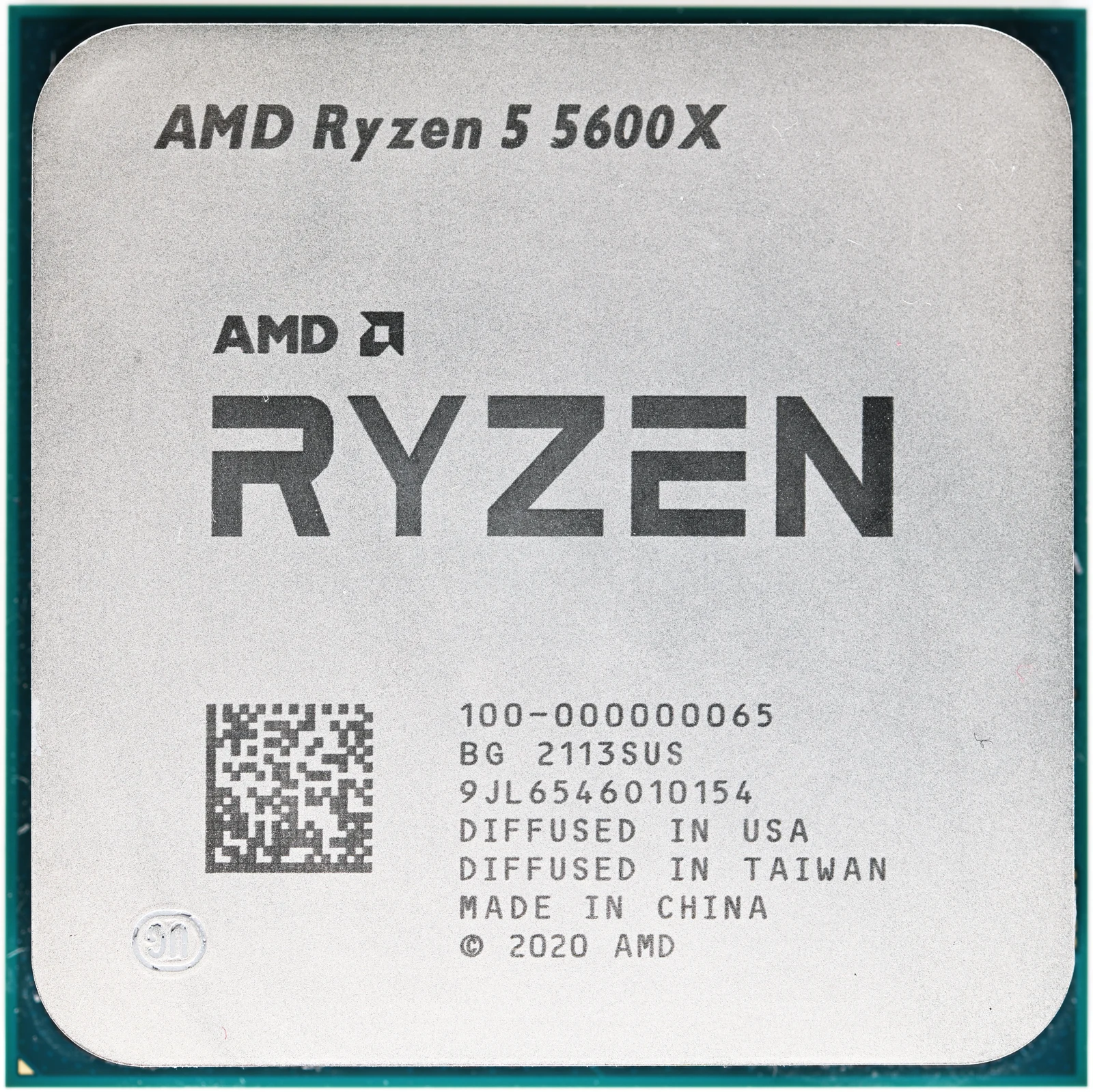
Compare the actual processor specifications
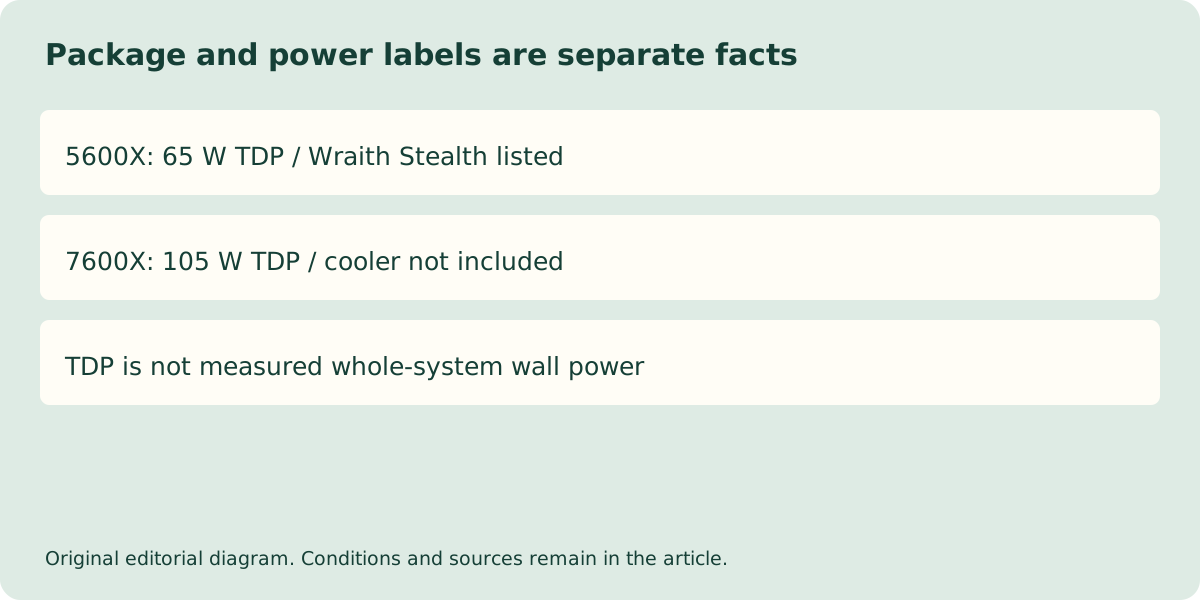
The 5600X page lists a 3.7 GHz base clock, maximum boost up to 4.6 GHz, a 65 W default TDP and a boxed Wraith Stealth thermal solution. The 7600X page lists a 4.7 GHz base clock, maximum boost up to 5.3 GHz, a 105 W default TDP and no included boxed thermal solution. These are manufacturer definitions and package conditions, not wall-power readings or sustained clock measurements.
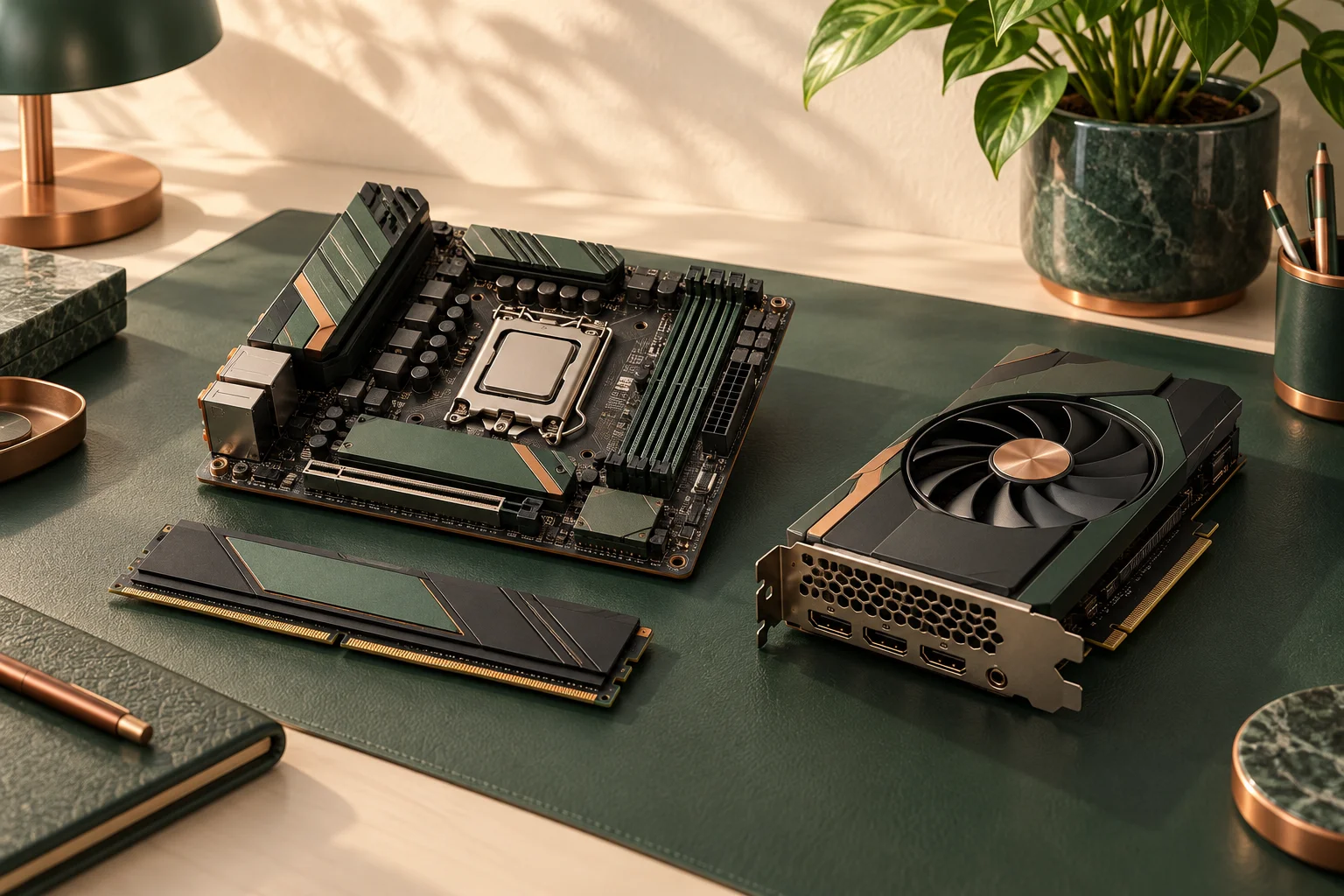
The 5600X specification requires a discrete graphics card. The 7600X lists AMD Radeon Graphics with two graphics cores. That does not turn the latter into a proven substitute for a gaming GPU; it identifies a different documented display capability. The board’s actual output connections and the complete display path still matter.
| AMD specification | Ryzen 5 5600X | Ryzen 5 7600X |
|---|---|---|
| Socket / memory | AM4 / DDR4 | AM5 / DDR5 |
| Cores / threads | 6 / 12 | 6 / 12 |
| Base / maximum boost | 3.7 / up to 4.6 GHz | 4.7 / up to 5.3 GHz |
| Default TDP | 65 W | 105 W |
| Boxed thermal solution | Wraith Stealth | Not included |
| Graphics row | Discrete card required | AMD Radeon Graphics |
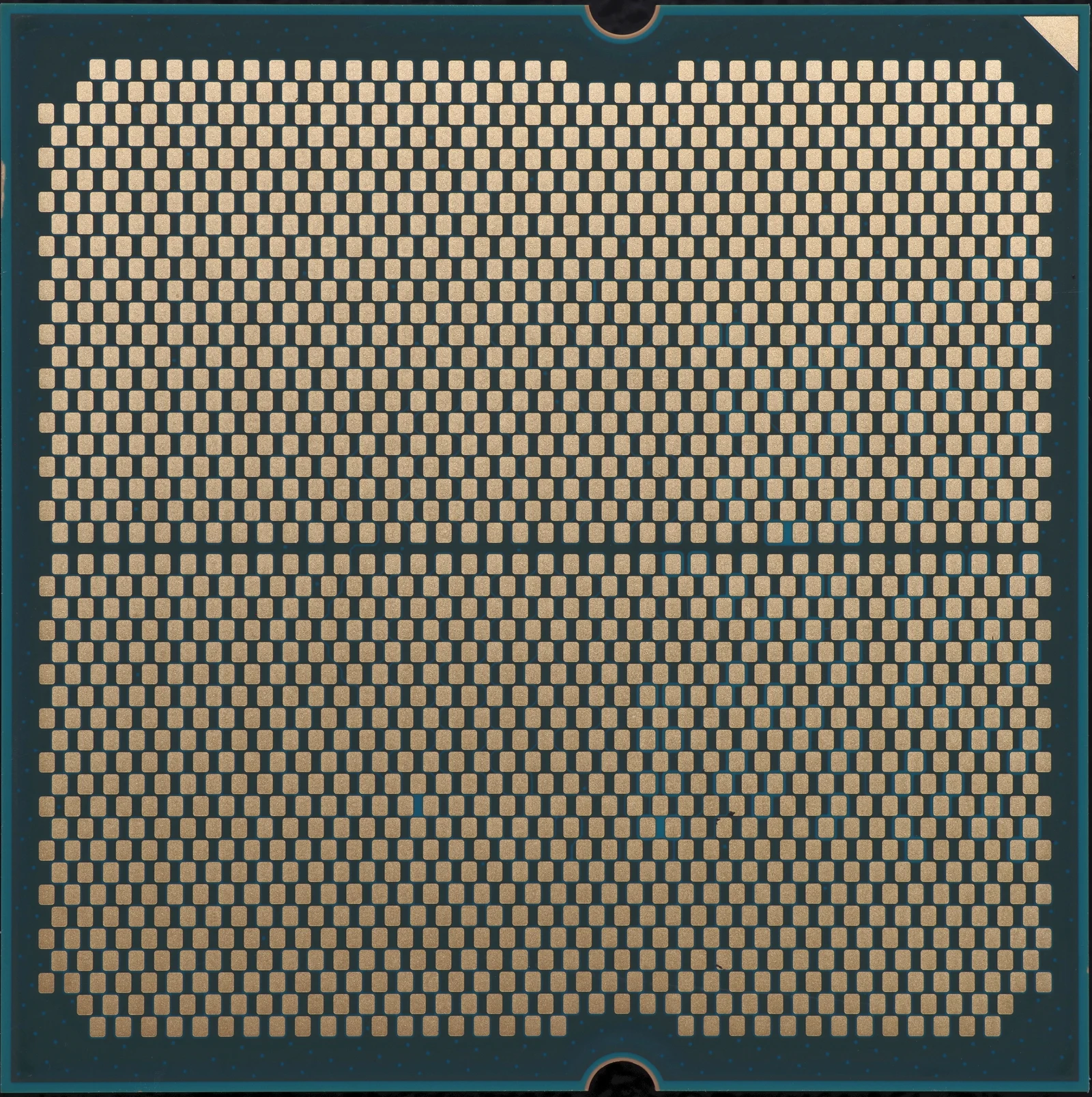
Inventory what can actually be retained
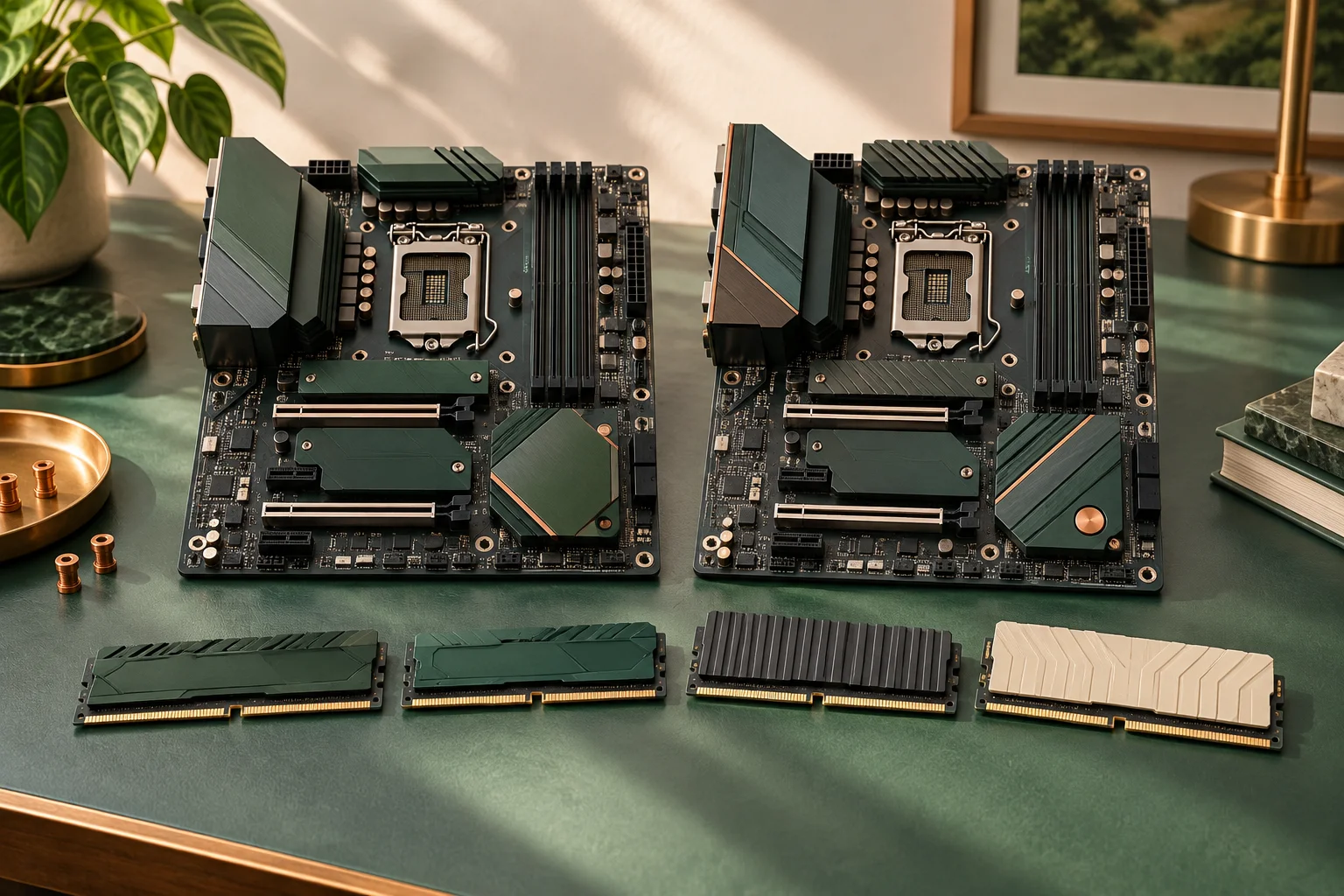
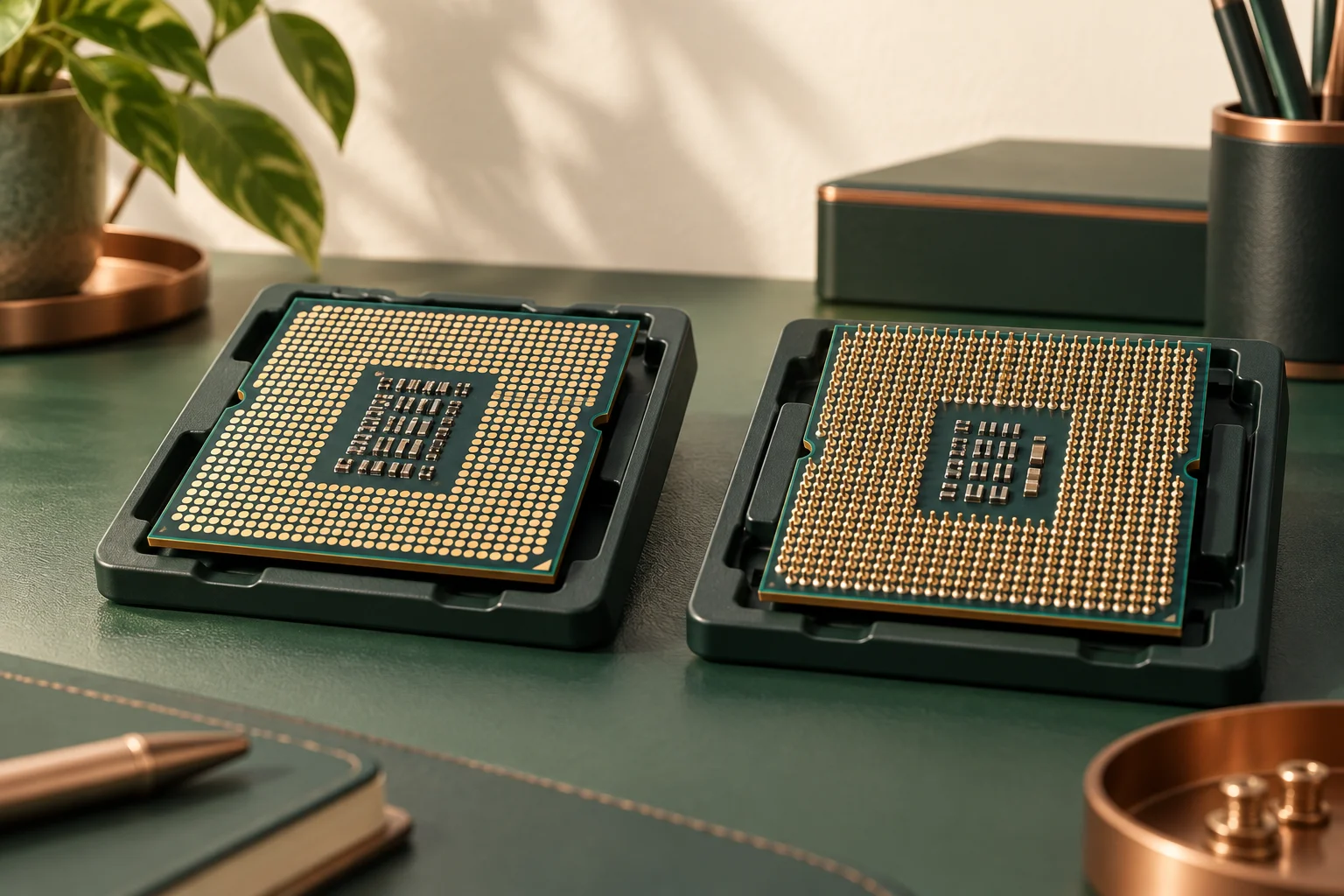
A DDR4 kit from the AM4 plan is not a DDR5 kit for the AM5 plan. The exact AM5 board, CPU population conditions and memory support material must agree before the new kit is selected. The separate 7600 underside photograph makes the AM5 contact-pad arrangement visible, but does not identify the compared 7600X or validate a board and memory population.
Some other components may be retainable, but that needs individual evidence. A case must accept the new board and cooling arrangement; a cooler requires the documented mounting and clearance; the power supply must satisfy the complete system and cable requirements. Do not infer that an AM4 cooler mount or an existing modular cable fits an AM5 build merely because a photograph looks similar.
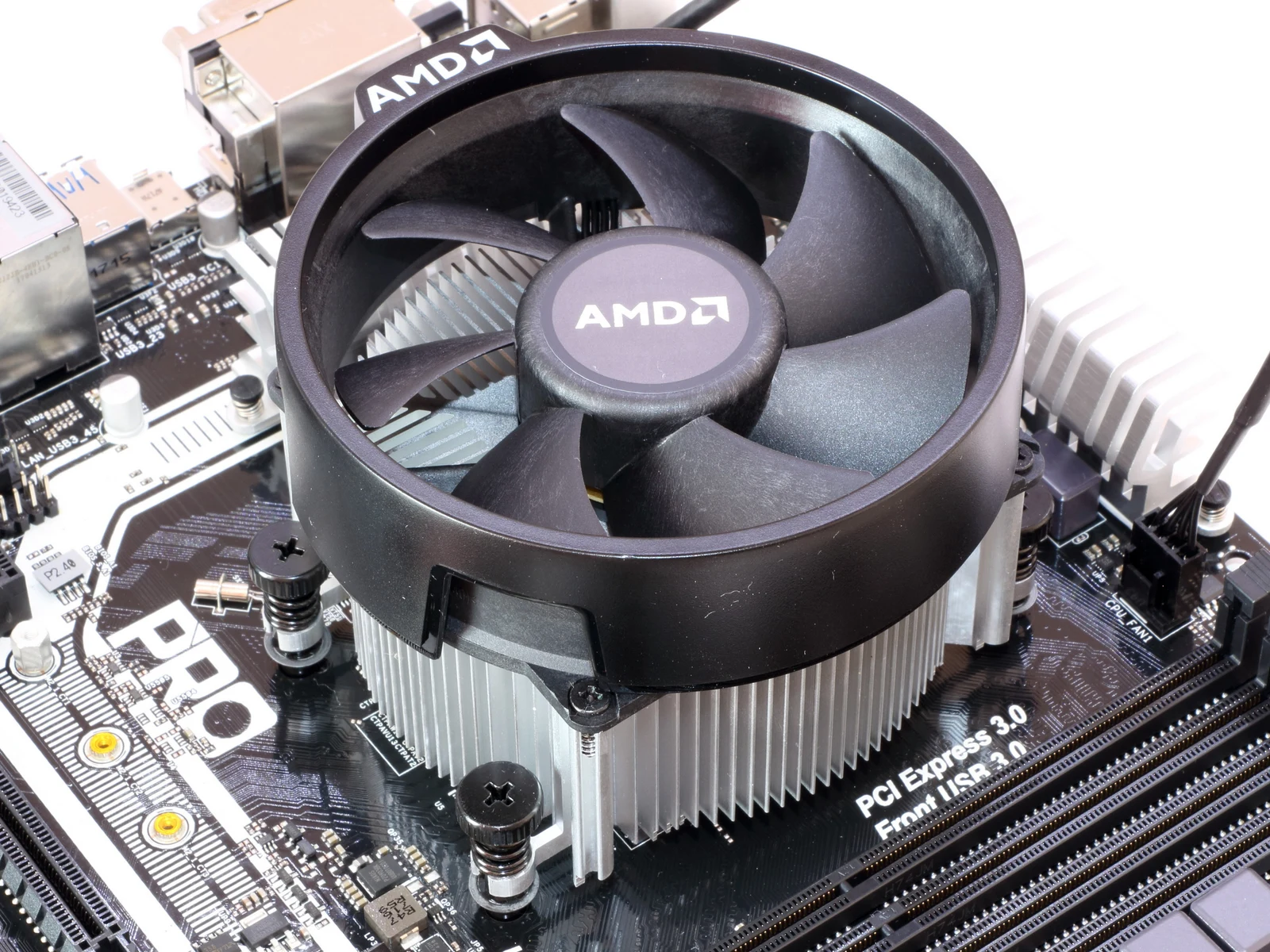
Graphics and cooling change the complete order
A 5600X system needs a supported discrete output path; a 7600X plan can evaluate its documented integrated capability with the selected board. Neither source establishes the frame rate, resolution or application suitability of the complete proposed system. The exact CPU lid marking matters before those documented graphics rows are applied.
Cooling must be budgeted as a complete supported arrangement. The actual Wraith Spire photograph shows a different named cooler, not the Wraith Stealth package item or automatic AM5 mounting approval. The 7600X package's absence of a cooler is a real difference from the cited 5600X boxed listing; tray and retailer bundles must be checked separately.
Compare complete platform routes, with unresolved costs visible
List CPU, exact board, memory kit, cooling, graphics path and any necessary replacement parts for each route. An AM4 retention plan and an AM5 migration plan solve different constraints. Compare quotations only after the supplied configurations and UK VAT, delivery and return terms are explicit. Unknown costs are not zero and a board-only amount is not a complete migration budget.
The documented conclusion is firm without inventing performance: the two named CPUs require different sockets and memory generations, and their graphics and boxed-cooling rows differ. If the deciding question is how much faster a specific application becomes, preserve that question for comparable independent testing rather than pretending the specification table completed it.